Cyberbullying & Online Kindness
Learn to recognize cyberbullying in all its forms, stand up for yourself and others, and help make the internet a kinder place.
📍 Where you are in the curriculum: Week 11 of 12
Over the past 10 weeks, you've focused on technical threats and defenses. But some of the most harmful things online aren't viruses or scams — they're people being cruel to other people. This week uses your critical thinking skills (Week 2) and knowledge of digital permanence (Week 10) to address cyberbullying.
Understanding Cyberbullying: More Than Just Mean Comments 💬

You already know that cyberbullying exists. But as you get older, it gets more complex and harder to spot. It's not always someone calling you names in a game. Let's get into the real, nuanced forms cyberbullying takes.
The Spectrum of Cyberbullying
🎯 Direct Harassment
Repeatedly sending threatening, insulting, or degrading messages. This includes hate speech, slurs, and targeted attacks based on identity.
🔥 Flaming
Intensely hostile arguments in public spaces — comment sections, Discord servers, Twitter/X threads — often designed to humiliate someone in front of an audience.
📸 Outing & Doxing
Sharing someone's private information, secrets, photos, or personal data without consent. Doxxing specifically means publishing someone's real name, address, school, phone number, or other identifying info.
🎭 Impersonation
Creating fake accounts pretending to be someone — posting embarrassing things, sending messages to others as them, or catfishing to extract personal info.
🚫 Social Exclusion
Organized, deliberate exclusion from online groups, game servers, or group chats — designed to isolate and hurt.
🌊 Pile-Ons / Brigading
Mob-style attacks where many people target one person simultaneously. Often starts when one popular account directs their followers at someone.
🤖 Weaponized Reporting
Abusing platform report systems to get someone falsely banned or suspended.
Why Cyberbullying Hits Different Online
- Permanence: Screenshots and cached pages mean nothing truly disappears
- Reach: A single post can be seen by thousands instantly
- Anonymity: Attackers can hide behind fake accounts
- 24/7 access: There's no "safe space" when bullying follows you everywhere
- Audience effect: Public humiliation is amplified by likes, shares, and comments
The Psychology Behind It
People cyberbully for different reasons:
- Power and control — making themselves feel big by making others feel small
- Social dynamics — trying to fit in with a group that normalizes cruelty
- Displacement — taking out their own problems on someone else
- Dehumanization — it's easier to be cruel when you can't see the person's face
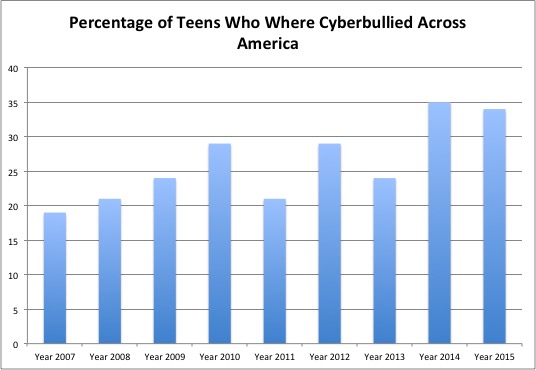
📊 Research shows: According to the Cyberbullying Research Center's 2025 data ↗, about 46% of teens aged 13-17 have experienced some form of cyberbullying. You're definitely not alone if it's happened to you, and it's more common than many people realize.